Pricing your home right in Central NJ means anchoring to hyper-local comps, not county averages. With Middlesex County inventory rising and 13% of listings taking price cuts, homes priced accurately

Dated: February 15 2026
Views: 165
Today, I am pleased to welcome guest contributor Sarah Velasquez of Our Perfect Abode. Sarah is a relatively new homeowner, who shares what she and her husband have learned along the way, in their own Blog.
*****
How to Convert Your Home into a Profitable Long-Term Rental
Homeowners interested in rental income, especially those relocating, upgrading, or holding onto a former primary home, often get stuck on one question: sell now or try a long-term rental conversion. The benefits of renting property are real, from steady monthly cash flow to keeping a foothold in a market that may keep climbing. The tension is that a rental is a small business, and the challenges of rental property management can turn “passive income” into late-night decisions and awkward conversations. The goal is a clear-eyed way to judge whether this property investment strategy fits the home, the neighborhood, and the owner.
Long-term rental success comes down to how well your home competes for reliable tenants at a rent that covers your costs. That depends on the neighborhood, local demand, a layout that fits everyday living, and a short list of amenities renters actually care about.
Location is the starting point because a property’s location shapes who wants to live there and what they will pay. Demand matters too, since tight supply can shift the odds; in some markets, property counts declined nationally and that can change competition.
Think of it like applying for a job. Your address is the resume headline, your layout is the work history, and amenities are the extra skills that help you stand out. A bright second bedroom, in-unit laundry, and easy parking can beat “pretty finishes” tenants live without.
This walkthrough helps you figure out what to fix, what to improve, and what to maintain so your home feels rent-ready and stays that way. It matters because small, visible wins like a cleaner exterior and tidy yard can attract better tenants, while a simple maintenance system protects your cash flow.
Step 1: Do a room-by-room repair walk-through
Start with safety and function: leaks, electrical quirks, sticky doors, broken windows, loose railings, and anything that could become an urgent call later. Take notes and photos, then group items into “fix now,” “fix soon,” and “monitor” so you are not guessing when it is time to act.
Step 2: Build a simple maintenance checklist you can repeat
Write down what needs attention monthly, seasonally, and yearly so nothing slips through the cracks. A helpful way to stay organized is to use routine seasonal annual schedules so you can plan ahead instead of reacting to surprises.
Step 3: Turn the checklist into reminders you will actually follow
Put recurring tasks into a calendar with due dates and a “who does this” note next to each one. You can schedule every recurring task like gutter cleaning and inspections so maintenance becomes a routine, not a scramble.
Step 4: Prioritize curb appeal improvements first
Before spending on fancy finishes, make the outside feel cared for: trim shrubs, edge walkways, refresh mulch, and add a couple of hardy plants. Also clear the clutter fast, because removing building materials is a simple step that instantly makes the property look cleaner and more “move-in ready.”
Step 5: Decide early if you will self-manage or get help
Be honest about your time for showings, maintenance coordination, and tenant messages, especially nights and weekends. If you will self-manage, line up a handyman and two backup vendors now; if you will hire help, start interviewing so your systems and expectations are set before a tenant moves in.
This table compares hands-on self-management with a few common management support levels. It matters because the “right” choice is less about being a perfect landlord and more about matching your availability, comfort with calls and conflicts, and how predictable you want your workload to feel.
If your stress comes from interruptions, a manager or vendor bench buys you breathing room. If your stress comes from losing control, start with placement-only and build systems as you go. Pick the path you can sustain, and your next move gets simpler.
Q: What are the most important repairs and upgrades to make before renting out my home long-term?
A: Start with safety and “won’t-break” basics: roof leaks, plumbing, electrical issues, smoke/CO detectors, secure locks, and any trip hazards. Then focus on durable, easy-to-clean finishes like hard flooring, washable paint, and solid appliances. If you feel overwhelmed, get one home inspection and turn it into a simple punch list.
Q: How can I find and screen trustworthy tenants to avoid problems later?
A: Use a written screening checklist: income and employment verification, credit and background checks where allowed, and landlord references. Keep your process consistent for every applicant and follow the Fair Housing Act to avoid legal trouble and reduce stress. This upfront work pays off because tenant turnover costs can add up fast.
Q: Should I manage my rental property myself or hire a property manager, and what are the pros and cons?
A: Self-managing saves fees and gives you control, but it requires fast responses, firm boundaries, and comfort handling conflict. A property manager buys you time and consistency, though your monthly net usually drops. A low-stress middle ground is paying for tenant placement while you handle the rest with clear systems.
Q: What features make a property more profitable and attractive for long-term renters?
A: Tenants usually pay more for comfort and reliability than for luxury: strong HVAC, good insulation, plenty of storage, and laundry access. Neutral paint, bright lighting, and a clean, functional kitchen often move the needle without a huge budget. Choose upgrades that reduce maintenance calls, not just ones that look good.
Q: If I want to protect my personal assets when turning my home into a rental, how should I structure the ownership legally?
A: Many owners ask an attorney or CPA whether an LLC business structure fits their situation, since financing, taxes, and insurance all play a role. If you’re forming in a specific state, the required steps can be surprisingly procedural, things like name rules, registered agents, and online filings (for example, an LLC in New Jersey through ZenBusiness lays out what that process typically includes). Some landlords keep the property in their personal name but strengthen protection with the right lease, insurance, and recordkeeping. If you want state-specific steps, your state’s business formation site and local counsel can help you do it cleanly.
Turning a home into a long-term rental can feel like a tug-of-war between wanting extra income and fearing costly mistakes, tenant headaches, or missed legal details. The steady path is a simple, repeatable approach: use long-term rental success tips to focus on preparing homes for tenants, starting rental property management with clear systems, and maximizing rental income without overcomplicating it. Done well, the property runs smoother, vacancies shrink, and the numbers start working for you instead of against you. A calm, well-prepared rental beats a rushed listing every time. Choose one fix to tackle this week and write a 30‑day property owner action plan that covers setup, screening, and ongoing management. That’s how a single home becomes a more stable, resilient part of your financial life.
-- Sarah Velasquez
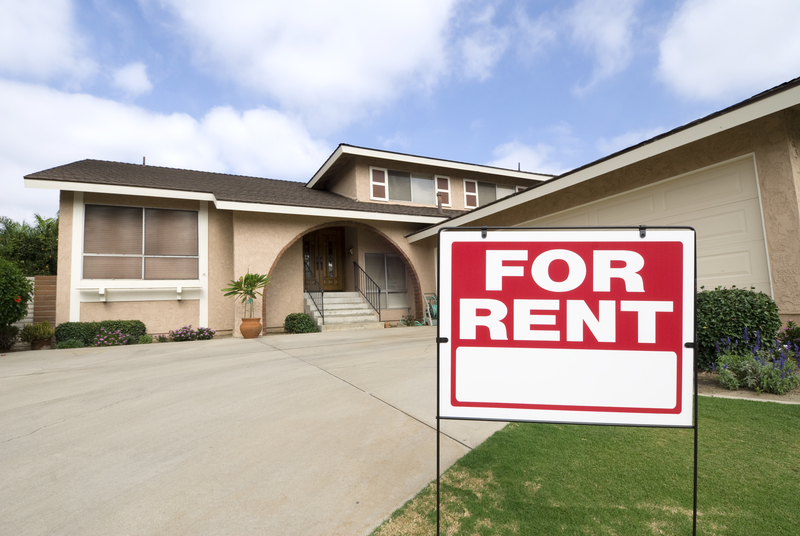
Photo: © Kelpfish | Dreamstime.com

Meet Your Trusted Local Real Estate Expert! Embark on your property journey with a seasoned real estate professional, passionately serving clients across Middlesex, Somerset, and Union counties, NJ. ....
Pricing your home right in Central NJ means anchoring to hyper-local comps, not county averages. With Middlesex County inventory rising and 13% of listings taking price cuts, homes priced accurately
In Central NJ's more competitive 2026 market, the fixes that move the needle are targeted and cost-effective: fresh neutral paint, curb appeal basics, minor kitchen and bath refreshes, and
Selling your house this fall is absolutely doable. But there’s something you need to know about this time of year. Buyer activity typically starts to slow while the number of homes for
A smooth military relocation to Central New Jersey starts with contacting Joint Base McGuire-Dix-Lakehurst's housing office as soon as your orders arrive, understanding your on-base and off-base
 The data relating to real estate for sale on this website comes in part from the IDX Program of Garden State Multiple Listing Service, L.L.C. and Elite. Real estate listings held by other brokerage firms are marked as IDX listing. Information deemed reliable but not guaranteed. Copyright © 2026 Garden State Multiple Listing Service, L.L.C. All rights reserved. This information is being provided for Consumer's personal, non-commercial use and may not be used for any purpose other than to identify
prospective properties Consumers may be interested in purchasing
The dissemination of listings on the website does not constitute the consent required by N.J.A.C. 11.5.6.1 (n) for the advertisement of listings exclusively for sale by another broker. Any such consent must be obtained in writing from the listing broker.
Show More...
The data relating to real estate for sale on this website comes in part from the IDX Program of Garden State Multiple Listing Service, L.L.C. and Elite. Real estate listings held by other brokerage firms are marked as IDX listing. Information deemed reliable but not guaranteed. Copyright © 2026 Garden State Multiple Listing Service, L.L.C. All rights reserved. This information is being provided for Consumer's personal, non-commercial use and may not be used for any purpose other than to identify
prospective properties Consumers may be interested in purchasing
The dissemination of listings on the website does not constitute the consent required by N.J.A.C. 11.5.6.1 (n) for the advertisement of listings exclusively for sale by another broker. Any such consent must be obtained in writing from the listing broker.
Show More...
 The data relating to real estate for sale on this web-site comes in part from the Internet Listing Display database of the ALL JERSEY MULTIPLE LISTING SYSTEM, INC. Real estate listings held by brokerage firms other than this site-owner are marked with the ILD logo. The ALL JERSEY MULTIPLE LISTING SYSTEM, INC. does not warrant the accuracy, quality, reliability, suitability, completeness, usefulness or effectiveness of any information provided.
The information being provided is for consumers' personal,
non-commercial use and may not be used for any purpose other than to identify properties the consumer may be interested in purchasing or renting.
Copyright 2026, ALL JERSEY MULTIPLE LISTING SYSTEM, INC. All rights reserved. The ALL JERSEY MULTIPLE LISTING SYSTEM, INC retains all rights, title and interest in and to its trademarks, service marks and copyrighted material.
Show More...
The data relating to real estate for sale on this web-site comes in part from the Internet Listing Display database of the ALL JERSEY MULTIPLE LISTING SYSTEM, INC. Real estate listings held by brokerage firms other than this site-owner are marked with the ILD logo. The ALL JERSEY MULTIPLE LISTING SYSTEM, INC. does not warrant the accuracy, quality, reliability, suitability, completeness, usefulness or effectiveness of any information provided.
The information being provided is for consumers' personal,
non-commercial use and may not be used for any purpose other than to identify properties the consumer may be interested in purchasing or renting.
Copyright 2026, ALL JERSEY MULTIPLE LISTING SYSTEM, INC. All rights reserved. The ALL JERSEY MULTIPLE LISTING SYSTEM, INC retains all rights, title and interest in and to its trademarks, service marks and copyrighted material.
Show More...
 All information is believed to be accurate but is not guaranteed. Protected by Copyright© 2026 and is owned either by the Monmouth County Association of REALTORS; or by the developers of the software, Kunversion, LLC. All rights reserved. Each office independently owned and operated.
The New Jersey Real Estate Commission requires every licensed broker or salesperson with whom you list your property to give you a copy of this notice. The purpose is to help you comply with the New Jersey Law
Against Discrimination (the "LAD) and federal laws prohibiting discrimination in the sale or rental of real property.
In New Jersey, it is illegal to discriminate against a prospective or current buyer or tenant because of race, creed, color, national origin, sex, gender identity or expression, marital status, civil union status, or source of lawful income used for mortgage or rental payments. It is also illegal to place any advertisement or make any statements or utterances that express, directly or indirectly, any limitations to offer housing based on any of those characteristics.
Show More...
All information is believed to be accurate but is not guaranteed. Protected by Copyright© 2026 and is owned either by the Monmouth County Association of REALTORS; or by the developers of the software, Kunversion, LLC. All rights reserved. Each office independently owned and operated.
The New Jersey Real Estate Commission requires every licensed broker or salesperson with whom you list your property to give you a copy of this notice. The purpose is to help you comply with the New Jersey Law
Against Discrimination (the "LAD) and federal laws prohibiting discrimination in the sale or rental of real property.
In New Jersey, it is illegal to discriminate against a prospective or current buyer or tenant because of race, creed, color, national origin, sex, gender identity or expression, marital status, civil union status, or source of lawful income used for mortgage or rental payments. It is also illegal to place any advertisement or make any statements or utterances that express, directly or indirectly, any limitations to offer housing based on any of those characteristics.
Show More...
